






 LinkedIn
 Youtube
 Medium
 Twitter
Time in Force (TIF) Meaning
Time in Force (TIF) is an order instruction that specifies how long a trading order remains active before it is executed or automatically canceled. It defines the lifespan of an order and determines how it interacts with available liquidity in the market. TIF parameters are a core component of execution logic in both traditional and crypto trading systems.
Different Time in Force options serve different trading objectives. A common example is “Good Till Cancelled” (GTC), where an order remains open until it is fully executed or manually canceled. This is often used for passive strategies where traders are willing to wait for a specific price.
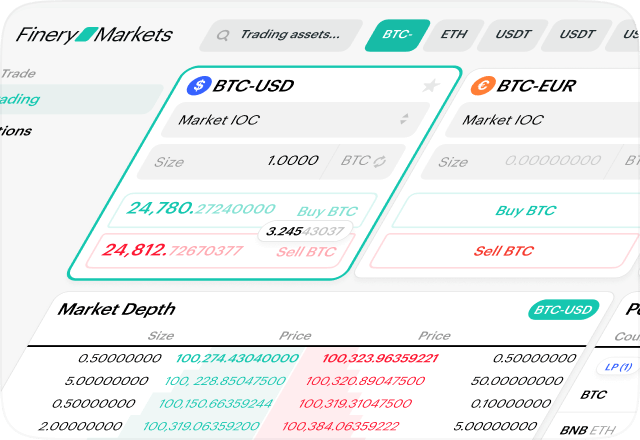
In contrast, “Immediate or Cancel” (IOC) orders attempt to execute immediately and cancel any unfilled portion, prioritizing speed over completeness. Another widely used TIF instruction is “Fill or Kill” (FOK), which requires the entire order to be filled instantly or canceled entirely. This is typically used by institutional traders seeking certainty of execution size.
“Day” orders expire at the end of the trading session, while “Good Till Time” (GTT) orders remain active until a predefined timestamp. In crypto markets, Time in Force is especially important due to continuous 24/7 trading and varying liquidity conditions. Without session boundaries, TIF instructions help traders manage exposure, avoid stale orders, and control execution risk during volatile periods.
Algorithmic strategies often adjust TIF dynamically based on market depth, volatility, and urgency. From a market structure perspective, TIF impacts order book dynamics. Passive TIFs contribute to displayed liquidity, while aggressive TIFs consume liquidity and drive price discovery.
Exchanges use TIF rules to ensure fair matching, prevent abusive behavior, and optimize matching engine performance. In summary, Time in Force is a fundamental execution parameter that allows traders to balance urgency, certainty, and price control. Proper use of TIF improves execution outcomes and reduces unintended market exposure.
 Additional notice to UK visitors: This website and associated communications are not intended to constitute a financial promotion under The Financial Services and Markets Act 2000 (Financial Promotion) Order 2005 (as amended) and related guidance. Access to services provided by Finery Markets is limited to regulated entities, professional clients and eligible counterparties as set out by the Financial Conduct Authority. UK users are not permitted to use this website for the services of Finery Markets if they don't fall within these categories.