






 LinkedIn
 Youtube
 Medium
 Twitter
Aggregated Liquidity Meaning
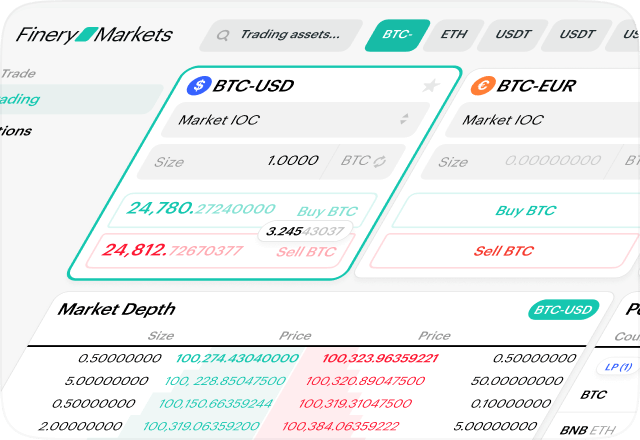
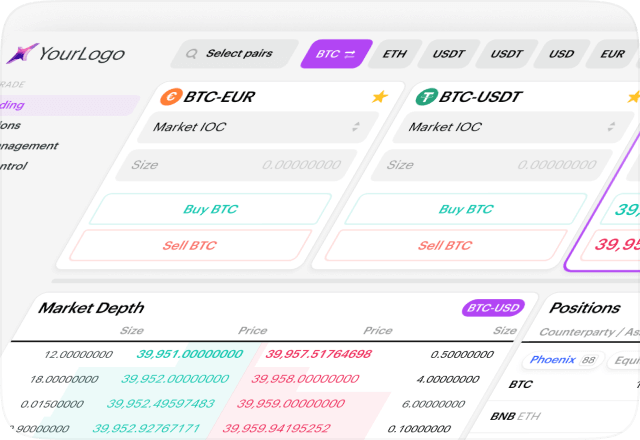
Aggregated Liquidity refers to the combined pool of tradable quotes sourced from multiple venues-exchanges, OTC desks, market makers, and liquidity networks-into a single, unified order stream. Instead of relying on one source, institutions gain access to a deeper, more competitive market.
Aggregation reduces slippage, tightens spreads, and improves execution probability, especially for large orders or less liquid instruments. It also helps mitigate venue-specific inefficiencies by routing orders to the provider offering the best available price at a given moment.
The aggregation layer typically normalizes data formats, standardizes quote precision, and applies pre-trade risk checks before routing orders. It may also filter out stale quotes or venues that fail latency requirements.
For clients, this creates a seamless experience: one connection delivers connectivity to many liquidity providers simultaneously. In crypto, where liquidity is highly fragmented across centralized exchanges, OTC desks, and market makers, aggregation is essential for institutional execution.
It enables consistent pricing, improves market depth, and reduces the operational burden of managing multiple integrations. Aggregated liquidity ultimately transforms a scattered market structure into a unified execution environment with more reliable and efficient trading outcomes.
 Additional notice to UK visitors: This website and associated communications are not intended to constitute a financial promotion under The Financial Services and Markets Act 2000 (Financial Promotion) Order 2005 (as amended) and related guidance. Access to services provided by Finery Markets is limited to regulated entities, professional clients and eligible counterparties as set out by the Financial Conduct Authority. UK users are not permitted to use this website for the services of Finery Markets if they don't fall within these categories.