






 LinkedIn
 Youtube
 Medium
 Twitter
Bid Price Meaning
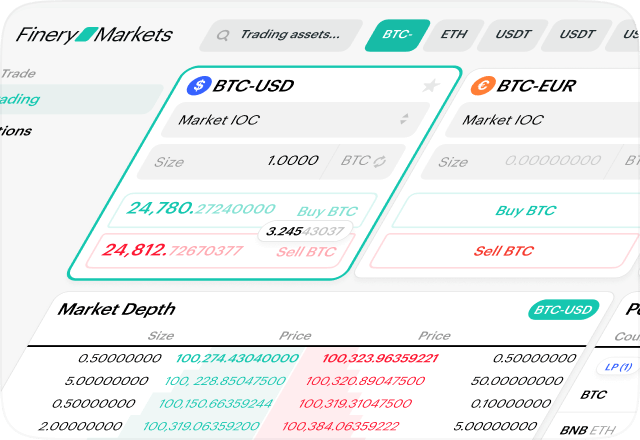
Bid price is the highest price a buyer is willing to pay for an asset at a given moment. In crypto markets, it’s the “buy-side” quote you’ll see on an exchange’s order book (or in a liquidity feed), sitting opposite the ask price-the lowest price a seller will accept. Together, bids and asks form the live map of supply and demand: bids represent buy interest at specific prices and sizes, while asks represent sell interest at specific prices and sizes.
Bid price matters because it helps define what you can realistically sell for right now. If you want immediate execution, you typically “hit the bid” (sell into the best available bid). If you place a sell limit order above the current bid, you’re effectively waiting for buyers to move up or for market conditions to shift.
The best bid (the highest bid in the book) is especially important: it’s the most competitive buyer price currently available, and it is one half of the top-of-book quote that traders use to gauge tradability. In practice, bid prices constantly update as market participants cancel, modify, and place orders.
They also vary across venues due to differences in liquidity, latency, market structure, and participant mix. On highly liquid pairs (e.g., BTC/USD on major venues), bids may be densely stacked with tight spacing.
On thinner pairs, bids can be sparse, which increases the likelihood that a market sell order will “walk the book” and fill at progressively lower bid levels. For market analysis, bids are often used to infer near-term support zones, though this can be misleading because visible liquidity can be pulled quickly.
For execution, bid price is a core input for estimating transaction costs: it’s part of the bid-ask spread, and it influences slippage, especially for larger orders. Professional traders typically evaluate not just the best bid, but the depth behind it-how much size is available at and near the best bid-before deciding how to execute.
 Additional notice to UK visitors: This website and associated communications are not intended to constitute a financial promotion under The Financial Services and Markets Act 2000 (Financial Promotion) Order 2005 (as amended) and related guidance. Access to services provided by Finery Markets is limited to regulated entities, professional clients and eligible counterparties as set out by the Financial Conduct Authority. UK users are not permitted to use this website for the services of Finery Markets if they don't fall within these categories.